Shockwave Therapy
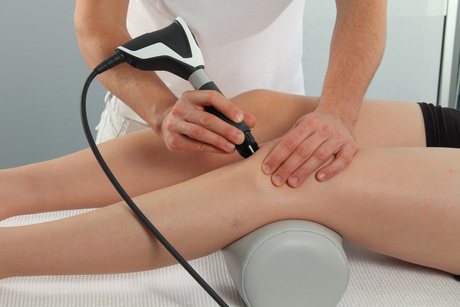
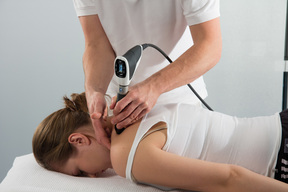
Shockwave therapy is a non-invasive treatment that promotes accelerated recovery of injured soft tissue, bone and joint pain. There are very few or no side effects with this highly effective, non-surgical treatment and it is now available at a reasonable cost.
|
non-surgical
quick pain reduction accelerated healing effective for chronic conditions very mild or no side effects full or partial coverage by most insurance companies |
Call 705-930-4333 or email
[email protected]
to book your appointment today!
[email protected]
to book your appointment today!
Treatable Conditions
|
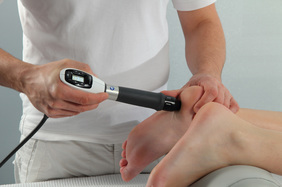
calcific tendinitis tennis/golfer's elbow plantar fasciitis achilles tendinopathy myofascial trigger points patellar tendinitis |
91% improvement
80% improvement 90% improvement 76% improvement 80% improvement 88% improvement |
|
|
Other treatable conditions include:
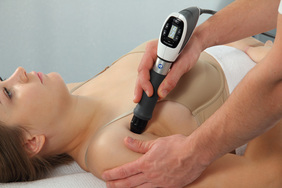
muscle contractures fascial restrictions bursitis shoulder pain heel spurs shin splints stress fractures scar tissue chronic neck, back and pelvic pain chronic muscle pain |
|
Work with one of our Therapists
Peter Svoboda, RMT offers shockwave therapy treatments for new and returning clients.
The Technology & Science
Shockwaves are intense, but very short energy waves. Since the 1980's, shockwave has been used by doctors as a routine treatment to break up kidney stones. The technology has since developed to include treatment of soft tissue, bone and joint injuries with incredibly high success rates. Shockwave therapy is used by physicians, physiotherapists, chiropractors, massage therapists and other health care professionals to treat clients with conditions not responding to more conservative treatments. Shockwave therapy is also used by orthopedic surgeons as a non-surgical alternative treatment.
For more information on detailed scientific evidence and shockwave therapy case studies, visit Shockwave Canada.
For more information on detailed scientific evidence and shockwave therapy case studies, visit Shockwave Canada.
How it Works
Shockwave therapy accelerates healing by stimulating the metabolism and blood circulation to poorly vascularized injured tissues. This allows the injured tissues to regenerate and heal quickly. Healing takes place over several treatments and begins by initiating a controlled inflammation at the injury site. The body responds by increasing metabolic activity in the area which stimulates and accelerates the healing process. Shockwaves also produce an analgesic effect which reduces pain in the injured area. Shockwave therapy is most effective in cases where the body has not been able to heal on its own.
The Treatment: FAQ
|
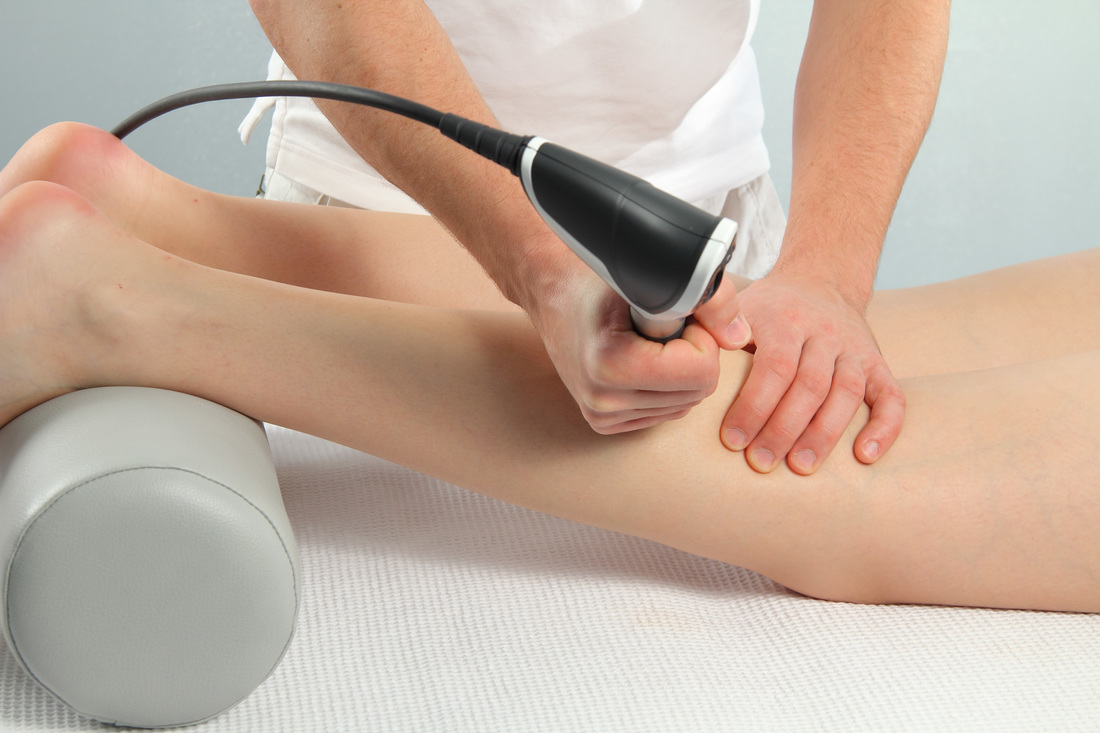
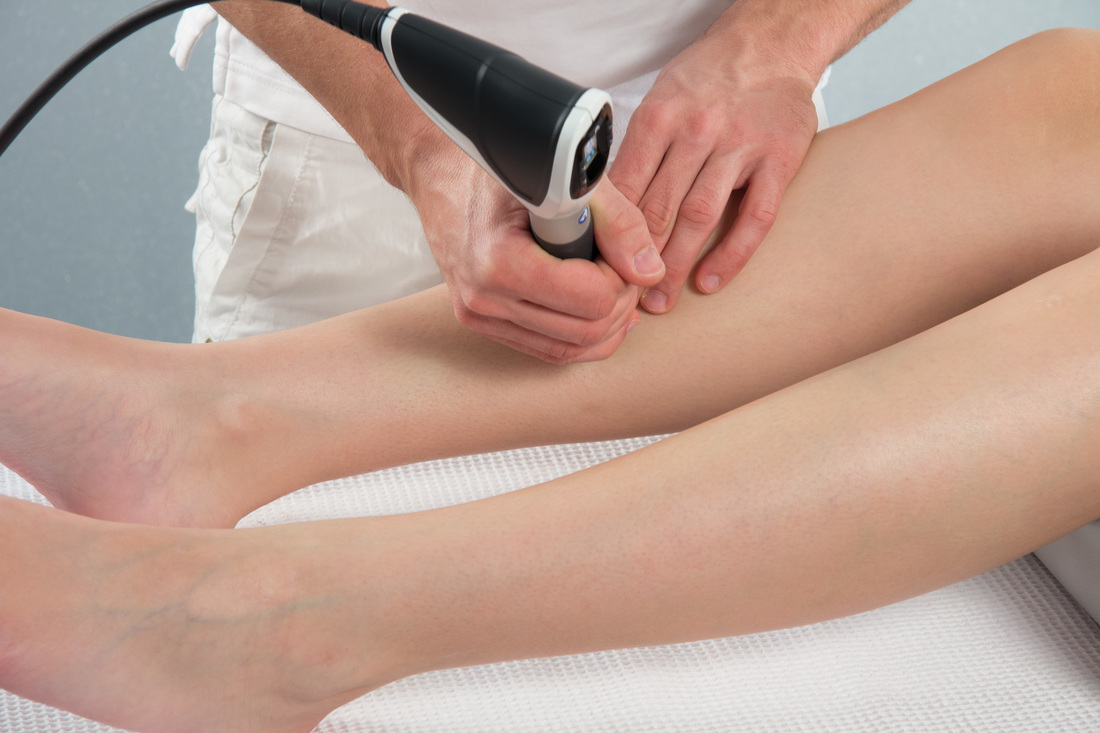
How many treatments will I need? Treatments are 30 minutes in length and include pre- and post-treatment assessments. Most conditions require 3 treatments performed one week apart, however, some conditions may require up to 5 treatments.
Does the treatment hurt? The treatment can cause some initial discomfort which lessens significantly by the end of the treatment. Most people find the discomfort tolerable, however, it is important to communicate with your therapist regarding pain sensations, as adjustments can be made on our shockwave machine to make the treatment more comfortable for you. Will I have pain after the treatment? Most clients experience pain relief immediately after treatment followed by discomfort beginning 2-4 hours after treatment. This discomfort may include temporary soreness, mild swelling or tenderness and may last between 24 and 48 hours, and in very rare cases, up to 5 days. Many clients report no pain at all following treatment, however, we do recommend a slight decrease in activities known to aggravate your injury for approximately 48 hours following treatment. |
|
Are there any side effects? Most clients experience no side effects with treatment, but possible side effects of shockwave therapy include redness, swelling, bruising and/or pain. Side effects are temporary and will usually abate within 2-5 days following treatment.
Will shockwave therapy work for me? As long as you are a candidate for this type of treatment, there is a 75-95% chance that shockwave therapy will improve your condition. Your first shockwave treatment will be preceded by a full assessment of your injury to determine if shockwave is the best treatment option for you. We will then develop a treatment plan for you, discuss the treatment schedule, homecare, cost of treatment and any alternative treatment options in case shockwave is not an appropriate treatment for your injury. Most treatment plans include 3 shockwave treatments performed one week apart. Healing will continue over the next 12 week period following your last shockwave treatment. Clients with health conditions affecting the body's ability to heal at a normal rate, such as diabetes and hypothyroidism, may require up to 5 treatments.
|
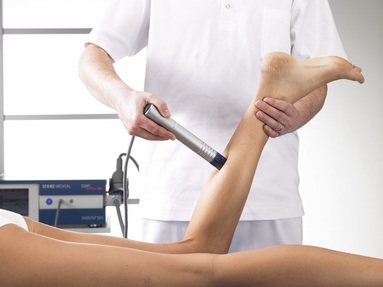
Are there any contraindications or precautions with treatment? Yes. We cannot perform shockwave therapy on clients who have cancer, open lesions, hemophaelia or other blood coagulation disorders, heart or circulatory problems, such as thrombosis, and, diabetes with associated polyneuropathy. Shockwave therapy should also not be applied to clients who are pregnant, certain areas on growing children, clients who are using blood thinning medications, and, clients who have received a cortisone injection within six weeks. Precaution will be taken with clients with a history of tinnitus, as shockwave may ignite or aggravate symptoms. Precaution is taken with injuries in close proximity to large nerve or blood supplies.
|
|
What is the cost of treatment? Our fee is $120 per 30 minute session. This includes 13% HST. All shockwave treatments are performed in the context of a massage therapy treatment and may include assessment and manual techniques such as joint and soft tissue manipulation and/or assisted stretching. Although this therapy is not covered by OHIP, full or partial coverage is available through most extended health plans. Check with your insurance provider for details regarding your coverage. You will be invoiced for 30 minutes massage therapy treatment with shockwave therapy- $120.00.
What should I do if this treatment does not work for me? If after 2 treatments there is no improvement to your condition, it is possible that you will not respond to this type of treatment. Chronic conditions may take up to 5 treatments to improve. The long term effects of the treatment will not be apparent for approximately 12 weeks. We will re-assess your condition with each treatment and if it is determined that you are not responding to shockwave therapy, we will refer you back to your doctor for further treatment options.